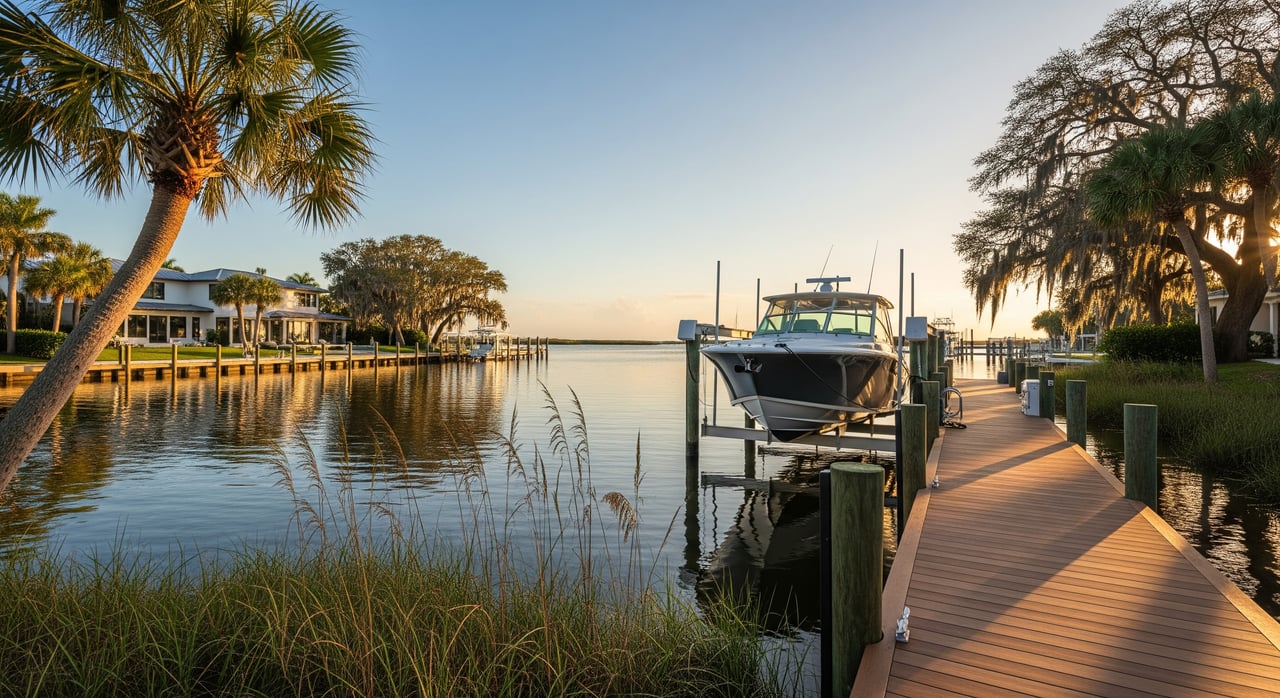
Picture this: calm morning runs on the Intracoastal, quick hops to offshore fishing when the seas cooperate, and sunset cruises past quiet mangrove edges. If you’re eyeing New Smyrna Beach for its boating lifestyle, you want to know how the water actually works here. You also want clear guidance on marinas, ramps, bridges, permits and storm planning so you can pick the right home for your boat. This guide breaks down the essentials and gives you a practical checklist to use when touring properties. Let’s dive in.
NSB waterways at a glance
New Smyrna Beach sits on a barrier island with two distinct boating environments: the Atlantic Ocean and the protected waters of the Indian River Lagoon, which carry the Intracoastal Waterway. That split shapes daily life on the water. You can enjoy surf and offshore access or choose quieter lagoon cruising and inshore fishing.
Depths in the lagoon and ICW can shift with seasons and shoaling. Tidal range is modest, but currents in narrow channels and at inlets can be strong. It pays to time departures and returns around the tide and to follow marked channels. Sensitive habitats like seagrass beds and manatee areas also guide how and where you operate and anchor.
Ocean vs lagoon lifestyle
Choosing where to live often starts with the kind of boating you do most.
- Oceanfront homes: You’ll enjoy immediate beach access for surf and small craft, but most oceanfront lots do not have deepwater docks. Larger boats typically live at a marina or on a trailer.
- ICW or lagoon-front homes: You get protected docking and easy daily use. Reaching the ocean usually requires transiting an inlet, and conditions can vary.
- Canal homes: Convenient private docking is common, but canals can be narrow or shallow, and fixed low bridges may limit air draft. Always confirm maneuvering room and depth alongside.
Marinas and docks: what to look for
You’ll find municipal, private, and member-based facilities in the area. Each offers a mix of transient and long-term slips, fuel and pump-out, and varying repair capabilities. When you call, ask about:
- Slip length, mean low water depth, shore power and fresh water
- Transient vs long-term availability and seasonal wait times
- Fuel type, pump-out access, security and liveaboard rules
- Hurricane plans, haul-out partnerships and storm policies
If you prefer to keep your boat at home, verify that the property’s dock and lift are properly permitted and that depth at mean low water fits your draft. Check turning room in the canal and any HOA or municipal restrictions on boat size or use.
Public ramps and trailer access
Trailering is popular for both lagoon and ocean days. Before you go, confirm:
- Ramp lanes, parking capacity and any launch fees
- Ramp depth at low water and known shoaling
- Distance from the ramp to your destination, whether that’s a quick lagoon cruise or an inlet run
If you plan to fish offshore often, the ramp’s proximity to the inlet and the timing of tides and currents matter. Expect peak congestion on weekends and during tournaments or holiday periods.
Bridge clearance basics
Bridge height is a key factor for sailboats and taller flybridge powerboats. In NSB and neighboring routes you’ll encounter a mix of fixed and movable spans. To plan safely:
- Confirm vertical clearance at mean high water for each bridge on your route.
- Compare your boat’s air draft to posted clearances and account for tide levels.
- For movable bridges, note opening schedules and call-out procedures.
- Monitor official notices for temporary restrictions or maintenance changes.
If a fixed low bridge stands between a property and the ocean, you may need a different route or a different boat. Build this into your home search from day one.
Haul-out and dry storage options
Beyond wet slips, local options typically include travel-lift yards, trailer storage, and dry stack buildings for small to mid-size boats. These choices are popular with seasonal residents and anyone focused on hull care.
Ask each facility about:
- Maximum length, beam, and weight they can handle
- Monthly and seasonal pricing and any minimum terms
- Waitlist times during peak season and before hurricanes
- Insurance prerequisites and storm policies
During hurricane season, haul-out queues can fill quickly. If you’re buying during spring or summer, start these conversations early.
Kayak and paddle routes
Protected back-bay waters and canals offer family-friendly paddling with wildlife viewing opportunities. Coastal launches on the beach are best for experienced paddlers familiar with surf entries. When planning a paddle:
- Choose official launch points at public parks with parking n- Time outings around tides and currents in narrow areas
- Expect boat traffic near ramps and marinas, and wear high-visibility gear
Respect seagrass beds and designated no-wake zones. Paddling around dawn and dusk can be beautiful, but visibility drops, so lights and reflective gear help keep you safe.
Rules, permits and safety
Boating in Florida follows state and federal requirements. Here’s what to keep top of mind:
- Registration and education: Powered vessels require registration, and operators born on or after the state’s cutoff year need a boater education card. Choose a state-approved course.
- Safety gear: Carry required PFDs, navigation lights, and, if you go offshore, visual distress signals. Fire extinguishers and sound devices are also standard.
- Speed and no-wake: Follow posted zones, especially in narrow canals, marinas, and manatee areas.
- Dock and seawall permits: Building or replacing docks, boatlifts or seawalls typically requires approvals from state and local agencies, and sometimes the U.S. Army Corps of Engineers. Expect rules around length, materials, overwater coverage, and seagrass impacts.
- Environmental protections: The Indian River Lagoon includes sensitive habitats. Construction may require turbidity controls and vegetation protections. Anglers must follow species size and season limits.
- Storms and insurance: Marinas publish hurricane procedures and may require boats to relocate or haul. Waterfront homes and boats often need flood and specialized marine insurance. FEMA flood maps help assess risk.
- Local enforcement: County and city marine patrols, state conservation officers, and the U.S. Coast Guard enforce rules and respond to emergencies.
Waterfront buyer checklist
Use this list to compare properties with your boat in mind.
- Dock and seawall: Confirm permits, age, condition and expected remaining life
- Depth: Measure alongside the dock at mean low water and note your boat’s draft
- Channel condition: Ask about shoaling history and any planned dredging
- Routes: Identify all bridges to open water and note air draft limits and whether spans are fixed or movable
- Marina access: Distance and time to fuel, pump-out, and a haul-out yard
- Ramp proximity: If trailering, check drive time, ramp capacity and parking
- Rules: HOA or municipal limits on boat size, lifts, or rentals
- Risk and insurance: Flood zone designation and estimated flood and wind insurance costs
- Environmental overlays: Seagrass or buffer zones that affect dock work
- Local support: Nearby repair yard, marine electrician, and chandlery options
Costs beyond the home
Owning a waterfront home and a boat carries steady costs. Budget for:
- Slip or dry stack fees and seasonal pricing
- Fuel, pump-out, and routine maintenance
- Lift service, dock repairs and periodic inspections
- Insurance for the boat, home and any structures like docks or seawalls
- Haul-out fees and hurricane-season deposits
A clear annual budget helps you compare the value of wet slips, dry stack storage, and trailering from year to year.
Seasonal resident tips
If you split time between homes, a simple plan pays off.
- Storage choice: Dry stack can reduce bottom growth and storm risk for smaller boats. In-water slips offer convenience for frequent use.
- Storm readiness: Keep a written plan that covers lines, chafe gear, fendering, and relocation or haul-out. Confirm your marina’s procedures each spring.
- Service calendar: Book bottom work, engine maintenance, and canvas or electronics upgrades in the shoulder seasons to avoid waits.
Plan your move with a local advisor
Matching a boat and a home in New Smyrna Beach starts with the water. When you tour, bring the checklist, ask about depth at mean low water, and map out your bridge clearances and routes. If you are comparing canal, ICW, and oceanfront options, a calm, fact-based process will help you decide quickly and with confidence.
If you’re considering a waterfront lifestyle in East Central Florida, we can help you evaluate properties, coordinate due diligence with local contacts, and navigate the offer-to-close details. Start a conversation with Anthony Consalvo for personalized guidance.
FAQs
How do New Smyrna Beach waterways differ for boaters?
- NSB offers the Atlantic Ocean for offshore runs and the Indian River Lagoon/ICW for protected cruising; tides are modest but inlet and channel currents can be strong.
What should I verify about a private dock before buying?
- Confirm permits, measure depth at mean low water, check lift capacity, review seawall condition, and confirm bridge and channel limits on your route.
Are there manatee or no-wake zones in NSB?
- Yes, designated areas in the lagoon and narrow channels carry speed and wake restrictions; follow posted signs and state rules.
Do I need permits to build or replace a dock in NSB?
- Typically yes; expect reviews by state and local agencies and possibly the U.S. Army Corps of Engineers, with rules for length, materials and seagrass protection.
How do bridge clearances affect sailboats and tall powerboats?
- Fixed bridges set a hard limit on air draft; compare your boat’s height at mean high water and plan for tide, or use movable spans where available.
What’s the best storage option for seasonal residents?
- Dry stack often suits small to mid-size boats for reduced maintenance and storm risk, while in-water slips suit frequent use; availability and waitlists vary.
How should I plan for hurricanes as a boat owner?
- Know your marina’s policy, secure lines and chafe gear, arrange a haul-out or relocation in advance, and confirm insurance requirements before storm season.